Perimenopause brings significant changes throughout the body. Along with changes in sleep, energy, mood, and metabolism, many women experience brain fog, including difficulty concentrating, forgetfulness, and feeling less mentally sharp. A 2026 study of more than 14,000 women found that perimenopausal (the 10-15 years leading up to menopause, plus the relatively short period around the final menstrual period) women were more likely to report cognitive symptoms than premenopausal women, highlighting the importance of understanding brain health during this transition. While Hyperbaric Oxygen Therapy (HBOT) has not been established as a treatment for perimenopause, emerging research offers some interesting connections. Oxygen and Brain Health HBOT increases the amount of oxygen available to the body’s tissues. Research in other populations suggests this improves brain blood flow and cognitive function and stimulates the growth of new neural connections. In a randomized controlled trial of healthy adults over 64, HBOT was associated with improvements in attention and information-processing speed, along with increased blood flow in several areas of the brain involved in cognition. Although these participants were not perimenopausal women, the findings raise an interesting question: could increasing oxygen availability and supporting circulation have a role in maintaining brain health during the menopause transition? […]
Blog
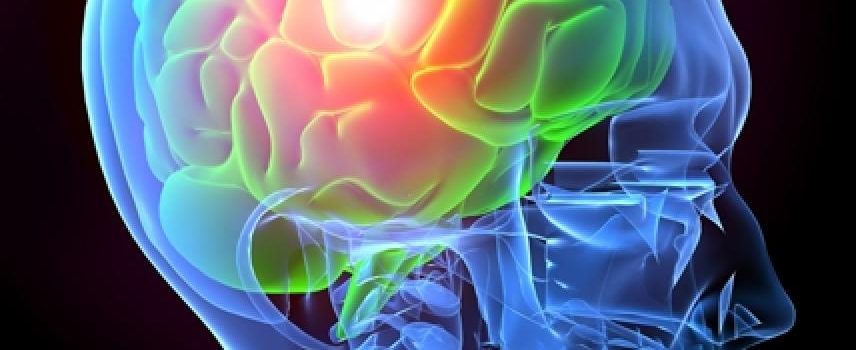
A traumatic brain injury (TBI) can have long-term effects that extend well beyond the original injury. Even after the initial trauma has healed, people may continue to experience headaches, fatigue, sleep problems, memory difficulties, brain fog, mood changes, and problems with concentration. As researchers learn more about the long-term effects of TBI, they are also exploring new ways to support the brain’s recovery. Hyperbaric Oxygen Therapy (HBOT) is an area of growing interest. The Long-Term Impact of TBI A recent study highlighted by Neuroscience News examined the relationship between traumatic brain injury and neurological conditions including dementia, stroke, epilepsy, and Parkinson’s disease. The findings underscore the importance of understanding TBI as more than an isolated event and recognizing the potential long-term effects on brain health. The good news is that in the right environment, the brain has a remarkable ability to adapt and change. This process, known as neuroplasticity, allows the brain to reorganize connections and develop new pathways following injury, and the unique conditions in a hyperbaric chamber foster this. How Does HBOT Support Brain Recovery? HBOT involves breathing enriched oxygen in a pressurized environment. This unique environment allows oxygen to dissolve into the bloodstream at much higher levels, […]
Traumatic Brain Injury: Hyperbaric Oxygen Therapy for Brain Recovery

The Science of Healing: How Oxygen Supports Tissue Repair Our bodies have an incredible ability to heal. Whether recovering from surgery, an injury, a chronic wound, or illness, healing depends on a complex series of events occurring at the cellular level. One of the most important ingredients in this process is oxygen. Every cell in the body relies on oxygen to produce energy, repair damaged tissue, fight infection, and build new blood vessels. When oxygen delivery is limited—because of injury, poor circulation, inflammation, or chronic disease—healing can slow significantly. That’s where Hyperbaric Oxygen Therapy (HBOT) is making a difference. Why Oxygen Is Essential for Healing Healing is an energy-intensive process. Oxygen helps fuel nearly every stage of tissue repair, including: Without adequate oxygen, wounds may heal more slowly, infections become more difficult to control, and damaged tissues can struggle to regenerate. How HBOT Works HBOT involves breathing enriched oxygen inside a pressurized chamber. The increased pressure allows oxygen to dissolve more efficiently into the bloodstream, enabling it to reach tissues that may not receive enough oxygen under normal conditions. This increase in oxygen availability helps support the body’s natural healing response by: Rather than replacing the body’s healing process, HBOT […]
The Science of Healing: How Oxygen Supports Tissue Repair

While Alzheimer’s remains a complex condition, research continues to expand our understanding of how the brain heals, adapts, and responds to supportive therapies. One area receiving increasing attention is Hyperbaric Oxygen Therapy (HBOT). Why Oxygen Matters for the Brain The brain relies heavily on oxygen to produce energy, maintain communication between neurons, detoxify and support healthy tissue function. While it represents about 2% of total body weight, it consumes roughly 20% of the body’s total resting oxygen, and it relies almost exclusively on aerobic metabolism, requiring a constant supply of oxygen. In Alzheimer’s disease, reduced blood flow, inflammation, and impaired cellular energy production may inhibit oxygen supply to the brain and contribute to cellular changes and cognitive decline. HBOT works by delivering enriched oxygen in a pressurized environment, allowing oxygen to dissolve more efficiently into the bloodstream and reach areas of the brain that may need additional support. Research demonstrates that increased pressure and oxygen availability may help: What Recent Research Shows Recent studies continue to highlight the potential of HBOT in supporting brain health and cognitive function. A 2024 systematic review and meta-analysis examining randomized controlled trials found that HBOT showed promising effects on cognitive function and daily living […]
Alzheimer’s Disease, Brain Health, and the Potential of Oxygen Therapy
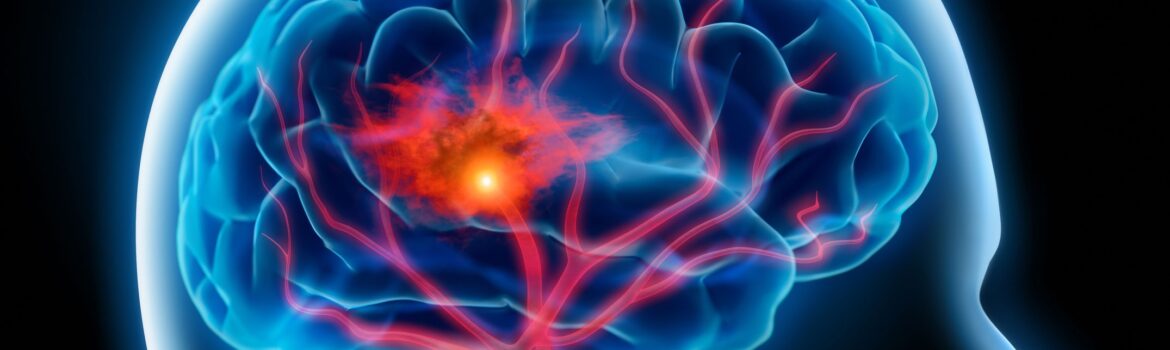
Understanding Stroke Recovery A stroke occurs when blood flow to part of the brain is interrupted, limiting oxygen supply to brain tissue. Without sufficient oxygen, affected areas of the brain are injured or die, and inflammation can impair the function of neighboring brain tissue. This can lead to challenges such as: Recovery traditionally involves a combination of physical therapy, occupational therapy, and other supportive approaches aimed at helping the brain and body adapt. Research demonstrates that hyperbaric oxygen therapy can stimulate the brain to heal – addressing inflammation and spurring the growth of new connections between neurons, even long after the initial injury. (Ready Study Here) Why Oxygen Matters Oxygen plays a critical role in brain health and repair. After a stroke, some areas of the brain may be damaged, while others remain underactive but still viable. Supporting oxygen delivery to these areas can help reduce inflammation, stimulate the growth of new neural connections (ramification) and bring these idling neurons back online. Optimized oxygen availability can support: How Hyperbaric Oxygen Therapy Fits In Hyperbaric Oxygen Therapy (HBOT) involves breathing enriched oxygen in a pressurized environment. This allows oxygen to dissolve more efficiently into the bloodstream and reach areas of the […]
Stroke Recovery and the Role of Oxygen: A Supportive Approach ...

April is Stress Awareness Month—a time to look more closely at how stress impacts the body and explore supportive tools for recovery. While stress is a normal part of life, chronic stress can affect everything from sleep and mood to inflammation, energy levels, and overall well-being. One emerging area of interest is how therapies that support oxygen delivery—like hyperbaric oxygen therapy (HBOT)—may help the body recover more effectively. Understanding Stress in the Body Chronic stress fundamentally alters the immune system, transitioning it from a state of heightened protection during acute stress to a state of chronic suppression and inflammation. While short-term stress can boost immunity, persistent stress leads to elevated cortisol levels, adrenal depletion, reduced white blood cell counts, and increased vulnerability to infections and disease. Constant high cortisol breaks down muscle and reduces bone density by inhibiting bone formation, inhibits neurogenesis, which can lead to neuronal atrophy and is strongly linked to anxiety and depression. When the body is under prolonged stress, it can remain in a heightened “fight-or-flight” state. Over time, this can contribute to: Supporting the body’s ability to return to balance is a key part of long-term healing. What Is HBOT? HBOT is a therapy where […]
Stress, Healing, and Oxygen: How Hyperbaric Oxygen Therapy May Support ...

Long COVID can leave people struggling with symptoms like fatigue, brain fog, poor sleep, mood changes, and low overall energy — sometimes long after the virus itself is gone. Because long COVID is complicated and varies from person to person, experts are exploring different ways to help. One option that’s gained attention recently is Hyperbaric Oxygen Therapy (HBOT). What Is HBOT? HBOT is a treatment where you breathe enriched oxygen in a pressurized chamber. The extra pressure helps your body take in more oxygen than normal, which research demonstrates can: Patients often say it feels like a calm oxygen “boost,” and many clinics use it for wound healing, decompression sickness, and neurological conditions. Recent Research — What the Studies Show Here are some recent studies that give insight into how HBOT helps people with long COVID: 2025 Prospective Registry Study A large observational study followed over 230 long COVID patients treated with HBOT. It concluded that the majority of patients who opted for HBOT reported a significant and clinically relevant increase in quality of life 3 months after treatment, especially in cognitive symptoms like memory and thinking clarity. The largest increase in scores were energy/fatigue, social functioning, emotional well-being and […]
Can Hyperbaric Oxygen Therapy Help with Long COVID?
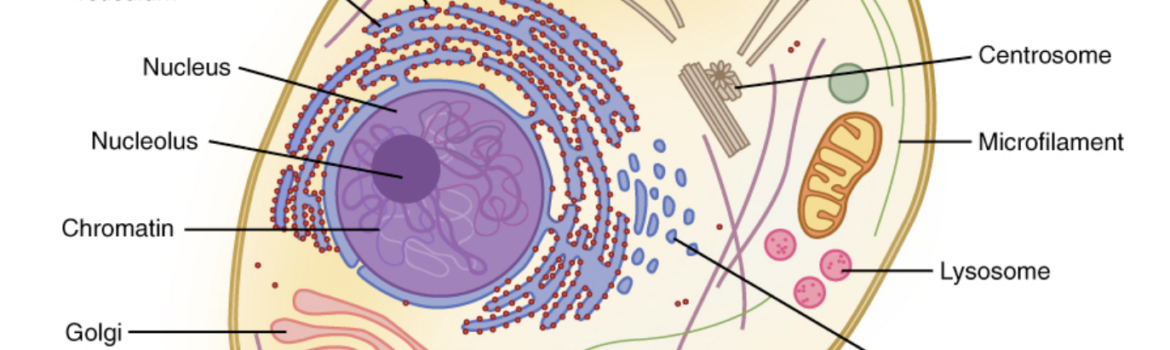
You’ve probably heard mitochondria called the “powerhouses” of the cell. In simple terms, they’re the parts of our cells that turn oxygen into energy. That energy fuels everything we do—from thinking clearly and moving comfortably to healing after injury. When mitochondria aren’t working well, our bodies feel it. Low energy, slow recovery, brain fog, and lingering inflammation can all be signs that our cells aren’t producing energy as efficiently as they could. That’s where Hyperbaric Oxygen Therapy (HBOT) comes in. How HBOT Supports Your Body’s Energy System HBOT increases the amount of oxygen your blood carries. Under gentle pressure, oxygen dissolves more deeply into tissues—including areas that may be inflamed or have impaired blood flow. Since mitochondria rely on oxygen to make energy, giving the body more access to oxygen can help them do their job better. When oxygen levels are low, cells struggle to repair and regenerate. When oxygen is restored, healing processes can begin to function more efficiently. In simple terms: more available oxygen can mean better cellular energy. Helping Cells Work Smarter, Not Harder Research suggests that repeated HBOT sessions may help cells: In studies involving active adults, consistent HBOT sessions were linked to improved energy use […]
Powering Your Body: How HBOT Supports Energy at the Cellular ...

January is Cervical Cancer Awareness Month, a meaningful time to raise awareness not only about cancer prevention and treatment, but also about long-term recovery. Many cancer survivors continue to face lingering side effects after radiation therapy—sometimes months or years later. One of the most challenging of these is late radiation tissue injury (LRTI), which can significantly impact quality of life. For many survivors, Hyperbaric Oxygen Therapy (HBOT) offers a clinically supported option to promote healing in tissues affected by radiation damage. What Is Late Radiation Tissue Injury? Radiation therapy targets cancer cells but can also damage healthy blood vessels and tissues in the surrounding area. Over time, impaired blood flow and chronic oxygen deprivation can lead to fibrosis, non-healing wounds, pain, or dysfunction in irradiated tissue. This is especially common after radiation to the head and neck, pelvic area, breast or lower abdomen—regions frequently treated for cervical, colorectal, breast or prostate cancers. How HBOT May Help HBOT involves breathing enriched oxygen in a pressurized chamber. This increases the amount of oxygen dissolved in the bloodstream and delivered to damaged tissues, stimulating healing processes such as: For survivors dealing with radiation injury, these effects can support recovery and improved function over […]
Supporting Survivors of Radiation Injury with Hyperbaric Oxygen Therapy
October is Breast Cancer Awareness Month—a time to not only focus on early detection and treatment, but also on improving quality of life for survivors. Many women experience long-term side effects after radiation or reconstructive surgery, including pain, swelling, tissue damage, and limited mobility. Recent research highlights how Hyperbaric Oxygen Therapy (HBOT) can help. Tumor Growth and Metastasis Although research is ongoing, evidence is mounting that HBOT in combination with a ketogenic diet is an effective approach to addressing cancer metabolically. Some of these recent studies showed slowed tumor growth, reduced metastasis, and lowered expression of invasive markers, anti-malignant effects and reduced fibrosis. https://pubmed.ncbi.nlm.nih.gov/28832662 https://bora.uib.no/bora-xmlui/handle/1956/12908 https://pubmed.ncbi.nlm.nih.gov/37114827 Easing Pain and Fibrosis After Radiation A 2023 randomized clinical trial in the Netherlands studied nearly 190 breast cancer survivors with pain, swelling, and tissue fibrosis after radiation. Women who completed HBOT (30–40 sessions) reported significant improvements in both pain and tissue softness, showing that HBOT can be a meaningful therapy for late radiation side effects (JAMA Oncology, 2023). Improving Quality of Life Another 2022 Dutch cohort study of over 1,000 patients with radiation-related problems found that HBOT was linked to less pain, fewer breast and arm symptoms, and better overall quality of life—benefits […]
The Benefits of Hyperbaric Oxygen Therapy (HBOT) for Breast Cancer ...
Sepsis is one of the world’s leading causes of death. It happens when the body’s immune system overreacts to an infection, causing widespread inflammation and damage to organs. Standard treatments—like antibiotics, IV fluids, and medications to support blood pressure—are lifesaving, but researchers are finding that Hyperbaric Oxygen Therapy (HBOT) may be a powerful tool to add to the fight. Here’s how HBOT can help patients with sepsis, and why the research is encouraging: 1. Boosts Survival in Animal Studies In a controlled study with mice who developed severe sepsis, just one HBOT session (oxygen at higher-than-normal pressure) increased survival from 13% to 52%. The therapy worked by calming dangerous levels of inflammation in the body’s tissues (PubMed, PMC). 2. Improves Blood Flow & Oxygen Delivery in Patients A clinical study in patients with septic shock found that HBOT improved circulation, increased heart function, and lowered lactate levels in the blood. High lactate is a warning sign of poor oxygen delivery, so this improvement suggests HBOT helps the body’s tissues get the oxygen they desperately need (BioMed Central). 3. Reduces Harmful Inflammation Sepsis is dangerous because the body’s immune response goes into overdrive. HBOT has been shown to calm inflammation by […]
Hyperbaric Oxygen Therapy and Sepsis: A Promising Ally in Saving ...
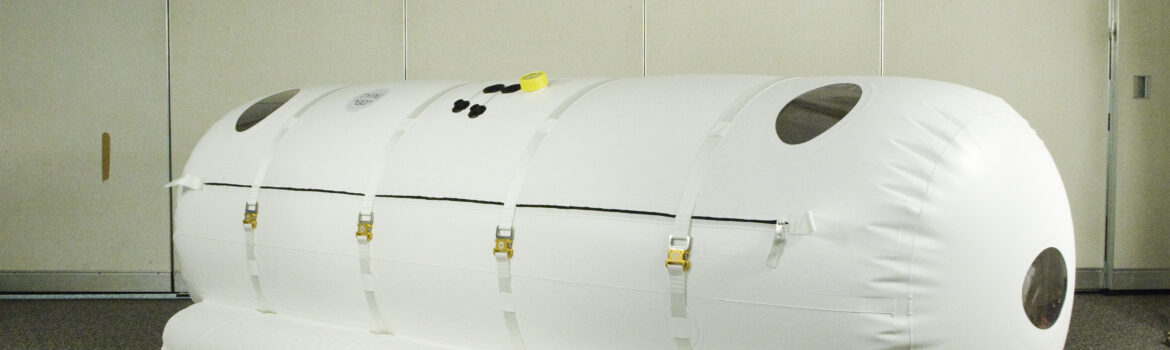
Hyperbaric Oxygen Therapy (HBOT) is a powerful and well-established medical treatment that supports healing, reduces inflammation, promotes tissue repair, and fights infection by delivering high levels of oxygen under pressure. HBOT is used to treat a wide range of conditions—from wellness care and athletic performance to traumatic brain injuries and non-healing wounds—with very few adverse effects. As HBOT grows in popularity, so does the availability of mild or soft-chamber systems, often found in clinics, wellness spas and private homes. Higher pressure monoplace and multiplace chambers found in hospitals typically employ 100% oxygen and require medical supervision. This is necessary to monitor for oxygen toxicity related to the use of higher pressure and potential combustion issues, which relate to the use of 100% oxygen. Mild hyperbaric chambers, on the other hand, are pressurized with room air, preventing the accumulation of dangerous levels of oxygen and maintaining oxygen levels in the chamber below the threshold for spontaneous combustion. Pairing the chamber with an oxygen concentrator, which provides 90-95% oxygen through a mask, allows one to maximize dosage and safety for the patient. The Bigger Picture: HBOT is not inherently dangerous—in fact, it is one of the safest therapies available when properly utilized. […]
Safety First: What You Should Know About Mild HBOT
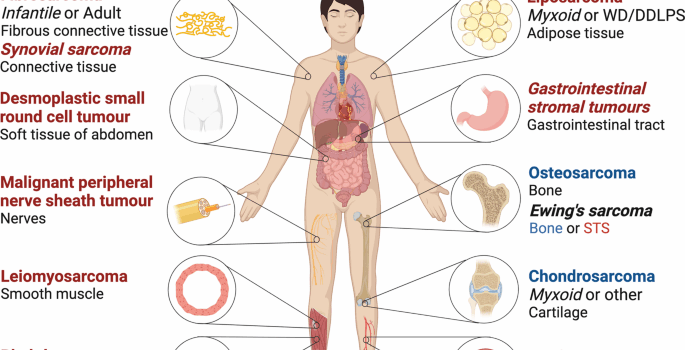
Sarcoma patients undergoing treatment often face a difficult aftermath: surgeries and radiation are lifesaving, but can also cause chronic wounds, painful fibrosis, and lingering tissue damage. Enter Hyperbaric Oxygen Therapy (HBOT)—a supportive treatment that’s gaining attention for its role in restoring healing and function. What HBOT Does HBOT involves breathing enriched oxygen in a pressurized chamber. This elevates tissue oxygen levels, encouraging: All of these are especially vital after radiation and surgery, which often leave tissues poorly vascularized and hypoxic. A 2020 retrospective study from the Netherlands examined 30 sarcoma patients who underwent HBOT after radiation therapy Though further prospective trials are needed, these compelling results suggest HBOT is not only safe, but a practical tool in restoring well-being after aggressive sarcoma treatment. Read the full study here: How This Helps Sarcoma Survivors For many survivors, the journey doesn’t end with remission—it continues through months or years of healing compounded tissues. HBOT offers: While sarcoma treatments save lives, they can leave patients with new challenges. HBOT is proving to be a powerful ally in the healing process—reawakening oxygen-starved tissues and unlocking the body’s natural recovery pathways. As research continues to evolve, HBOT is paving the way for brighter, healthier futures […]
Healing Sarcoma: HBOT’s Role in Radiation Recovery

Post-Traumatic Stress Disorder (PTSD) is often invisible, but its effects can be deeply life-altering. For veterans, first responders, survivors of trauma, and many others, the symptoms of PTSD such as flashbacks, anxiety, hypervigilance, and insomnia can make daily life an uphill battle. Traditional treatments like talk therapy, medication, and cognitive behavioral interventions are often helpful, but not everyone finds lasting relief. Now, science is catching up to something patients and physicians have been exploring for years: Hyperbaric Oxygen Therapy (HBOT) may be a powerful, life-changing tool in the treatment of PTSD. What Is HBOT? Hyperbaric Oxygen Therapy involves lying in a pressurized chamber while breathing enriched oxygen. This seemingly simple act of increasing oxygen availability triggers profound healing mechanisms in the body. At higher pressures, oxygen dissolves more effectively into the bloodstream and tissues, stimulating cellular repair, reducing inflammation, regenerating damaged neurons, rewiring pain pathways and supporting overall brain health. Originally developed to treat decompression sickness in divers, HBOT is now FDA-approved for multiple medical conditions including non-healing wounds, radiation injury, and carbon monoxide poisoning. And in recent years, researchers have been studying its effects on neurological and psychological conditions, including PTSD. The Breakthrough in PTSD Treatment In 2024, a […]
Healing Beyond the Surface: How Hyperbaric Oxygen Therapy Offers New ...

Lyme disease, one of several infections caused by the bacterium Borrelia burgdorferi, is a tick-borne illness that can lead to persistent symptoms even after standard antibiotic treatment. For patients experiencing neurological or chronic effects, Hyperbaric Oxygen Therapy (HBOT) has emerged as a potential adjunctive therapy. What is HBOT? HBOT involves breathing enriched oxygen in a pressurized chamber, allowing oxygen to dissolve more effectively into the plasma and other fluids and reach tissues with limited blood flow. Increased oxygenation and pressure enhance the body’s natural healing processes. Potential Benefits of HBOT for Lyme Disease Study Highlights A 2014 case report published in the Journal of the Chinese Medical Association detailed the treatment of a 31-year-old male patient with chronic Lyme disease who experienced significant symptom relief after undergoing 30 HBOT sessions. The patient reported resolution of neurological symptoms such as irritability, mood swings, poor concentration, and sleep disturbances, as well as musculoskeletal issues like joint pain. The authors concluded that HBOT may serve as an effective adjunctive treatment for chronic Lyme disease, particularly in cases unresponsive to conventional therapies. A 2023 ResearchGate systematic review and meta-analysis of fibromyalgia, a common diagnosis for people suffering from chronic Lyme and Coinfections, reports that […]
Lyme Disease & HBOT: A Glimpse of Hope

Parkinson’s disease (PD) is a progressive neurodegenerative disorder characterized by the degeneration of dopaminergic neurons, leading to motor symptoms such as tremors, rigidity, and bradykinesia, as well as non-motor symptoms including sleep disturbances and cognitive decline. While current treatments primarily focus on symptom management, emerging therapies like Hyperbaric Oxygen Therapy (HBOT) are being explored for their potential benefits in alleviating non-motor symptoms associated with PD. Hyperbaric oxygen therapy as a neuromodulatory technique HBOT involves breathing enriched oxygen in a pressurized chamber, which increases oxygen availability in the bloodstream and promotes enhanced oxygen delivery to tissues. Traditionally utilized for various medical conditions including non-healing wounds and decompression sickness, it has recently emerged as a promising neuromodulatory modality for treating neurological and psychological disorders. Studies indicate that it can promote brain recovery and neuroplasticity through the modulation of key cellular and molecular mechanisms, and it is now being investigated for its potential benefits in neurological disorders such as PD. Recent Study on HBOT for Non-Motor Symptoms in PD A recent meta-analysis published in Frontiers in Neurology systematically evaluated the efficacy of HBOT as an adjunct therapy for treating sleep disorders in patients with Parkinson’s disease. The study analyzed randomized controlled trials and […]
Hope in Every Breath: Exploring Hyperbaric Oxygen Therapy for Parkinson’s ...

Long COVID has left millions struggling with lingering symptoms such as fatigue, brain fog, and chronic pain. Traditional treatments often provide limited relief, leaving patients searching for effective solutions. One emerging therapy showing remarkable potential is Hyperbaric Oxygen Therapy (HBOT). What is HBOT? HBOT involves breathing enriched oxygen in a pressurized chamber, significantly increasing oxygen levels in the bloodstream and tissues. This process enhances healing, reduces inflammation, and supports cellular repair—making it an exciting option for those suffering from long COVID. New Research Highlights HBOT’s Benefits for Long COVID A 2024 study published in Frontiers in Medicine provides compelling evidence that HBOT can help long COVID patients regain their quality of life. Researchers reviewed multiple clinical studies and found that HBOT effectively addresses key issues linked to long COVID, including: Patients who underwent HBOT reported significant improvements in fatigue, cognitive function, and overall well-being. The study reinforces the growing recognition that oxygen therapy could be a game-changer in long COVID recovery. Read the full study here: Frontiers in Medicine A Hopeful Future for Long COVID Treatment As research continues, HBOT stands out as a safe, innovative, and effective therapy for those seeking relief from long COVID. With its ability to […]
Hyperbaric Oxygen Therapy: A Promising Treatment for Long COVID
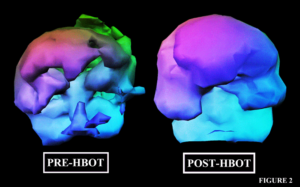
Unlocking Healing for TBI Patients: The Role of HBOT and Neurofeedback Traumatic brain injuries (TBIs), even those categorized as mild, can have profound effects on a person’s physical, emotional, and cognitive well-being. Conventional treatments often leave patients seeking additional solutions for persistent symptoms such as headaches, fatigue, memory difficulties, and mood disturbances. Emerging therapies like Hyperbaric Oxygen Therapy (HBOT) and neurofeedback are proving to be valuable allies in addressing these challenges. A recent study published in Cureus highlights the promising synergy of HBOT and neurofeedback in treating mild TBI. This case report underscores the potential of these therapies to reduce symptoms and improve quality of life for individuals struggling with the lingering effects of brain injuries. HBOT: A Game-Changer for TBI Recovery Hyperbaric Oxygen Therapy involves breathing pure oxygen in a pressurized chamber, which increases oxygen delivery to the brain and other injured tissues and promotes healing. For TBI patients, HBOT has been shown to reduce inflammation, enhance neuroplasticity, and stimulate the repair of damaged brain cells. The study noted marked improvements in the patient’s symptoms, such as reduced headaches, improved memory, and greater emotional stability after undergoing HBOT sessions. Neurofeedback: Rewiring the Brain Neurofeedback, a form of biofeedback, trains […]
Traumatic Brain Injury

Hyperbaric Oxygen Therapy (HBOT) is gaining attention as a potential supportive treatment for breast cancer patients. HBOT addresses tumors metabolically, overcoming tumor hypoxia, which is considered one of the hallmarks of cancer treatment resistance. Even when isolated, HBOT appears to interfere with tumor growth, metastases, angiogenesis, and stimulates anticancer gene expression. HBOT has also been shown to improve the effectiveness of certain chemotherapy drugs by enhancing their delivery to tumor cells. A radioenhancer, it sensitizes cells to radiation, increasing the effectiveness of radiation therapy. Moreover, HBOT significantly improves the quality of life for patients by alleviating common treatment-related side effects such as fatigue, nausea, loss of appetite, and cognitive issues like brain fog. Another key benefit of HBOT for breast cancer patients is its ability to support wound healing after surgery. Many breast cancer patients undergo mastectomy or lumpectomy, and some may experience complications with healing due to radiation or compromised immune systems. Studies suggest that HBOT can reduce the risk of infection and promote faster recovery by increasing the concentration of oxygen in the blood, allowing the body to repair tissues more efficiently. This is particularly beneficial for those undergoing radiation therapy, as the treatment can cause damage to […]
Breast Cancer and HBOT

Hyperbaric Oxygen Therapy (HBOT) has been traditionally used for conditions like decompression sickness, wound healing, and carbon monoxide poisoning. However, recent research has revealed its potential in the field of addiction treatment. By delivering pure oxygen at high pressure, HBOT increases oxygen levels in the bloodstream, which can aid in the repair and regeneration of damaged tissues, including those in the brain. For individuals struggling with addiction, this process can be particularly beneficial, as it helps to address the physical and neurological damage caused by substance abuse. One of the key benefits of HBOT in addiction treatment is its ability to reduce inflammation in the brain. Chronic substance abuse often leads to neuroinflammation, which can exacerbate cravings and hinder recovery efforts. By reducing inflammation, HBOT can help to alleviate these symptoms, making it easier for individuals to focus on their recovery. Additionally, the increased oxygenation provided by HBOT can enhance the effectiveness of other therapies, such as counseling and medication, by creating a more favorable environment for brain healing and function. Another significant advantage of HBOT is its potential to accelerate detoxification. The increased oxygen levels in the body can boost the efficiency of the liver and other detoxifying organs, […]
The Benefits of Hyperbaric Oxygen Therapy for Addiction Treatment

Aging is an inevitable process that brings about various physiological changes, often leading to a decline in physical and cognitive functions. In the quest for effective anti-aging interventions, Hyperbaric Oxygen Therapy (HBOT) has emerged as a promising treatment. HBOT involves breathing oxygen in a pressurized environment, which enhances the amount of oxygen dissolved in the body’s tissues. Recent studies, such as “Physical Enhancement of Older Adults Using Hyperbaric Oxygen,” have shed light on the potential benefits of HBOT in mitigating the effects of aging. One of the primary advantages of HBOT is its ability to enhance cellular function and repair. As we age, the body’s natural ability to repair and regenerate cells diminishes. HBOT can stimulate the release of growth factors and stem cells, which play a crucial role in tissue repair and regeneration. The study “Physical Enhancement of Older Adults Using Hyperbaric Oxygen” demonstrated that older adults undergoing HBOT showed significant improvements in cellular health, including enhanced collagen production and reduced cellular senescence. This can lead to improved skin elasticity, reduced wrinkles, and overall better skin health, making individuals look and feel younger. In addition to its cosmetic benefits, HBOT has been shown to improve cognitive function in older […]
The Benefits of Hyperbaric Oxygen Therapy in Combating Aging

What is Alzheimer’s? Alzheimer’s is the most common type of dementia, accounting for 60-80% of all cases and totaling approximately 6.2 million Americans. It affects memory and cognitive abilities, eventually becoming so severe individuals are no longer able to converse or react to their environment. There is no cure for the disease, and while pharmaceutical medications can temporarily slow the progression of the disease, round the clock care is eventually needed, and most patients live 4-8 years beyond their initial diagnosis. The exact cause of Alzheimer’s is unknown, however, research points to a number of different biological factors. Protein fragments called beta-amyloid build up between nerve cells while tau (a different protein) twist up within the cells. Hypoxia (the absence of sufficient oxygen in bodily tissues) is another contributing factor to developing Alzheimer’s Disease. A recent study showed that cerebral blood flow was reduced by 10-20% in Alzheimer’s patients with early symptoms. SPECT brain imaging also shows reduced blood flow upwards of 9 years before an Alzheimer’s diagnosis. New osteopathic research points towards impaired glymphatic function and venous flow from the brain, allowing toxins and cellular waste to accumulate and disrupt healthy brain function. HBOT as a Therapy Hyperbaric Oxygen […]
Hyperbaric Oxygen Treatment and it’s benefits for Alzheimer’s Disease

Living with diabetes often involves managing various complications that can significantly impact your quality of life. Among these complications, chronic wounds, neuropathy, and poor circulation are common challenges. Hyperbaric Oxygen Therapy (HBOT) has emerged as a promising adjunctive treatment for individuals with diabetes, offering potential benefits in managing these complications and improving overall well-being. Understanding Diabetes Complications Diabetes is a chronic condition characterized by high blood sugar levels, which can lead to a range of complications affecting different parts of the body. Chronic wounds, such as diabetic foot ulcers, are a prevalent issue among individuals with diabetes. Neuropathy, or nerve damage, can result in numbness, tingling, and pain, particularly in the extremities. Poor circulation further exacerbates these problems, impairing the body’s ability to heal wounds and increasing the risk of infection and amputation. Hyperbaric Oxygen Therapy (HBOT) HBOT is a medical treatment that involves breathing oxygen in a pressurized hyperbaric chamber. We offer mild Hyperbaric Oxygen Therapy at an increased pressure that allows oxygen to dissolve more efficiently in your bloodstream, delivering higher concentrations to tissues and cells throughout your body. HBOT stimulates the body’s natural healing processes, promotes tissue regeneration, and fights infection, making it an effective intervention for […]
Hyperbaric Oxygen Therapy and Diabetes: Managing Complications and Improving Quality of ...

Image by WOKANDAPIX from Pixabay In recent years, there has been a growing interest in integrative medicine, a field that combines conventional medical practices with complementary and alternative therapies. Among these therapies, Hyperbaric Oxygen Therapy (HBOT) stands out as a promising modality that complements traditional treatments. This article explores the principles behind integrative medicine and the role of HBOT in promoting holistic healing. Understanding Integrative Medicine Integrative medicine focuses on treating the whole person, considering aspects that are: It emphasizes the partnership between patients and healthcare providers to address health concerns comprehensively. Rather than merely treating symptoms, integrative medicine seeks to identify and address the root causes of illness, promoting overall wellness and vitality. Principles of Hyperbaric Oxygen Therapy (HBOT) At Hyperbaric Vermont, we offer mild Hyperbaric Oxygen Therapy, using pressurized chambers and enriched oxygen to deliver oxygen to hypoxic tissue, speed tissue healing, reduce inflammation, and increase neuroplasticity. You sit or lie comfortably while the increased pressure allows for greater oxygen dissolution in the blood, leading to higher oxygen levels in tissues and perfusing all of the organs of the body with high levels of oxygen. Integrative Medicine In integrative medicine, HBOT is utilized as part of a comprehensive […]
Integrative Medicine and Hyperbaric Oxygen Therapy: A Holistic Approach to ...

Photo by Mitchell Hollander on Unsplash Chronic pain affects millions of people worldwide, significantly impacting their quality of life and ability to perform daily activities. Traditional pain management approaches often involve medication, physical therapy, or surgery, but these may not always provide adequate relief or may come with unwanted side effects. In recent years, Hyperbaric Oxygen Therapy (HBOT) has emerged as a promising alternative for managing chronic pain. Let’s delve into the role of HBOT in chronic pain management and its potential benefits. The Basics Of HBOT And Pain Management One of the primary mechanisms through which HBOT alleviates chronic pain is by enhancing tissue repair and reducing inflammation. Chronic pain often arises from tissue damage, nerve injuries, or inflammatory conditions. By increasing oxygen levels in the body, HBOT stimulates the release of growth factors and stem cells and reduces cytokine levels and fibrinogen, promoting tissue regeneration and repair. It is a powerful anti-inflammatory, so helpful in addressing any “itis,” including neuritis, arthritis, colitis, and the pain and inflammation caused by extreme exercise. HBOT also improves blood flow to damaged tissues, facilitating the delivery of oxygen and nutrients essential for healing. Many chronic pain conditions, such as diabetic neuropathy or […]
Exploring the Benefits: Hyperbaric Oxygen Therapy in Chronic Pain Management

Hyperbaric Vermont’s Managing Director Kathryn Blume was recently interviewed for The Marketer’s Edge podcast about everything from her philosophies about marketing to why HBOT is such a valuable treatment modality to why she works as a wedding officiant. It’s a lively and broad-ranging conversation which we think you’ll completely enjoy!
Marketing HBOT And Saving The World: An Interview With Kathryn ...

Created by Philippa Steinberg for the IGI. March 15 is Long COVID Awareness Day, and in conjunction with the COVID-19 Longhauler Advocacy Project (C19LAP), we invite you to learn more about Long COVID and how Hyperbaric Oxygen Therapy can serve as a valuable treatment modality for this immensely challenging and impactful condition. C19LAP is working on a national and international platform of advocacy, and taking the lead on a number of initiatives, including: Understanding Long COVID Long COVID is a chronic condition estimated to impact approximately 20% of people infected with COVID-19, including children and those with no pre-existing health conditions, according to C19LAP. Reinfections also increase the chances of developing or worsening Long COVID. Long COVID can significantly impact quality of life, impair activities of daily living, reduce one’s ability to work, and has been recognized as a disability under the ADA. As of 2022, Long COVID was estimated to cost the United States at least $3.7 trillion dollars/year. Common side effects of Long COVID can persist for weeks or months after the acute phase of the illness, and can consist of any number of symptoms such as: Hyperbaric Oxygen Therapy And Long COVID Hyperbaric Oxygen Therapy (HBOT) is […]
March 15: Long COVID Awareness Day

Image by Hans from Pixabay Wound healing is a complex process that requires the coordinated efforts of various cells, proteins, electrical and biochemical signals. While our bodies have remarkable restorative capabilities, certain wounds may be difficult to heal completely. In such cases, treatments like Hyperbaric Oxygen Therapy (HBOT) offer promising solutions. HBOT involves breathing oxygen in a pressurized chamber, allowing oxygen to more effectively reach all the body’s tissues, thereby promoting healing. Understanding Hyperbaric Oxygen Therapy (HBOT) Under normal conditions, oxygen is transported in the blood bound to hemoglobin, the protein in red blood cells. However, HBOT’s increased pressure sends oxygen into the plasma, allowing it to reach areas with compromised blood flow, such as wounds or damaged tissues. This stimulates healing by providing cells with the oxygen they need to carry out essential functions and repair damage. Because oxygen plays a critical role in the formation of collagen, the growth of new capillaries, and the control of infection, HBOT can be particularly effective for wounds that have not responded to conventional treatments or those in areas with compromised blood flow. Accelerated Wound Healing One of the primary benefits of HBOT is its ability to expedite wound healing, as oxygen […]